Handling High-Value Items During Villa Moves: Art, Antiques and Luxury Furniture
In a villa move, a scratched wall gets repaired — a damaged antique or a torn canvas often can't be. High-value items need a different standard of handling from the rest of the house. Here's how art, antiques, chandeliers and designer furniture should be protected on the day.
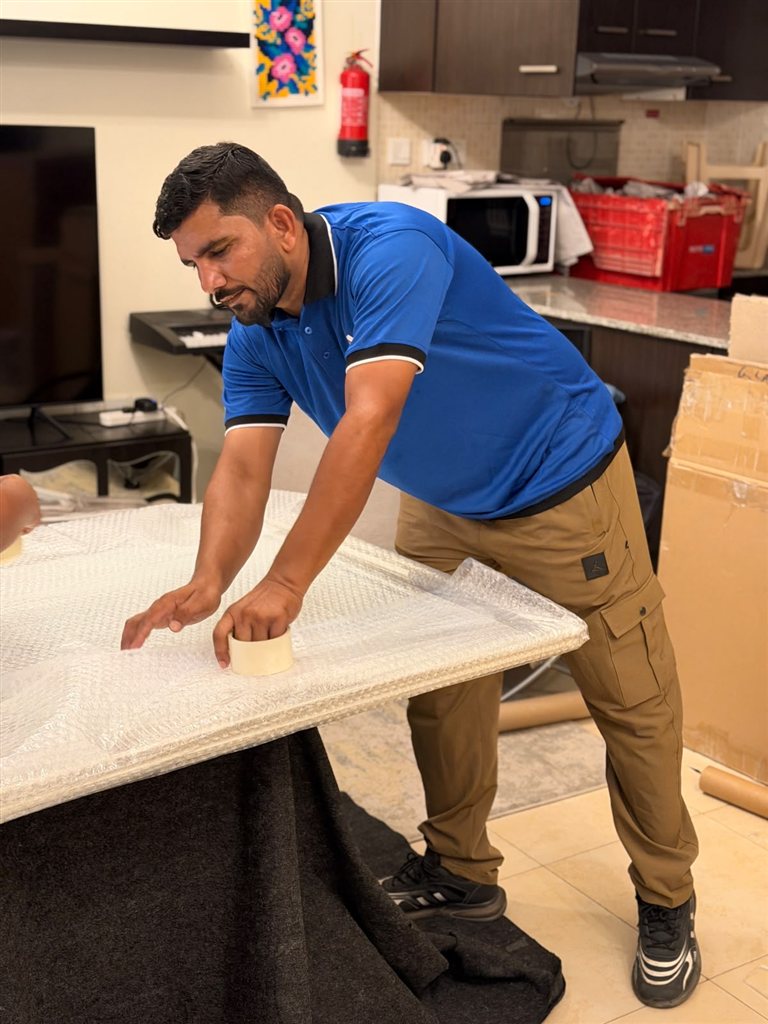
Why high-value items need their own plan
Most of a villa can be packed to a good general standard and moved without a second thought. But a small number of items — original art, antiques, a chandelier, a marble console, a designer piece, an heirloom — carry most of the room's value and most of the risk. These are the things that can't simply be replaced with a trip to the shops if they're damaged, so they deserve a plan of their own rather than being wrapped in with everything else.
The first step is simply to identify them before moving day and flag them to your movers. A good crew wants to know in advance what the genuinely valuable and fragile pieces are, so they can bring the right materials and handle them with the priority they need — not discover a fragile antique halfway through loading the truck.
Art and framed pieces
Paintings and framed art are vulnerable in two ways: the surface and the frame. The surface should never be pressed against packing material or another object, and glass over a print should be taped in a cross pattern so that if it breaks, the shards are held rather than pushed into the artwork.
For genuinely valuable art, a custom-built crate or a purpose-made picture box is the right level of protection, with corner protectors and a rigid backing so the piece can't flex. Art should always travel standing on its edge, never flat, and never stacked under anything.
- Never let anything press against the painted or printed surface.
- Tape glass in a cross pattern to contain breakage.
- Use corner protectors and a rigid backing; crate the most valuable pieces.
- Transport upright, on the edge — never laid flat or stacked.
Antiques and delicate furniture
Antiques are fragile in ways modern furniture isn't — old joints, brittle veneers, delicate inlays and finishes that react badly to tape or pressure. The safest approach is to wrap them in acid-free tissue or clean soft material first, then blanket-wrap over that, so nothing adhesive or abrasive ever touches the surface. Loose or moving parts (a drawer, a hinged lid, a detachable leg) should be secured or removed and wrapped separately.
Where an antique is especially valuable or fragile, custom crating is worth it. The point is to isolate the piece from knocks and from the rest of the load, so it isn't relying on being carefully stacked — it's protected regardless.
Chandeliers and lighting
Chandeliers are one of the most commonly damaged items in a villa move, precisely because they're awkward and often left to the last minute. They should be carefully taken down rather than wrestled off the ceiling, with the crystals or shades removed and individually wrapped where possible, and the frame padded and boxed. A photo before disassembly makes reassembly at the new villa far easier.
The same care applies to large decorative mirrors and glass light fittings — treated as fragile glass, taped, corner-protected, crated where valuable, and never carried flat.
Designer and luxury furniture
High-end furniture is often more delicate than it looks: soft leather that marks, high-gloss lacquer that scratches, marble tops that crack under their own weight if lifted wrong, and statement pieces that are simply too big to move assembled. Each material needs the right protection — breathable covers for leather, edge and corner protection for gloss and glass, and marble tops removed and moved on their edge, never flat.
Large designer pieces should be professionally disassembled where needed and reassembled at the new villa, with fittings labelled so nothing is forced or lost. This is exactly the standard our luxury villa moving service is built around.
Declare, document and insure
For anything genuinely high in value, tell your movers about it in advance — handling and any cover often depend on the item being declared, and an undeclared valuable may carry limited liability if something goes wrong. It's also worth photographing your valuable pieces and their condition before the move, so there's a clear record.
Ask your mover how damage is handled and what cover applies to high-value items specifically, and check whether your own home contents insurance covers items in transit. A few minutes of paperwork before the move is a small price next to the value of the pieces it protects.
The short version
- Identify your genuinely valuable and fragile pieces before the day and flag them to your movers.
- Art: no pressure on the surface, tape glass in a cross, crate the best pieces, transport upright.
- Antiques: acid-free/soft wrap first, secure loose parts, custom-crate the fragile ones.
- Chandeliers and mirrors: take down carefully, wrap crystals separately, photograph before disassembly.
- Designer furniture: material-specific protection, marble on its edge, professional disassembly and reassembly.
- Declare high-value items in advance, photograph their condition, and confirm what cover applies.
Moving a high-value villa?
Our luxury villa moving service applies white-glove handling — museum-standard wrapping, custom crating and careful placement — to homes where the contents matter.
See luxury villa moving